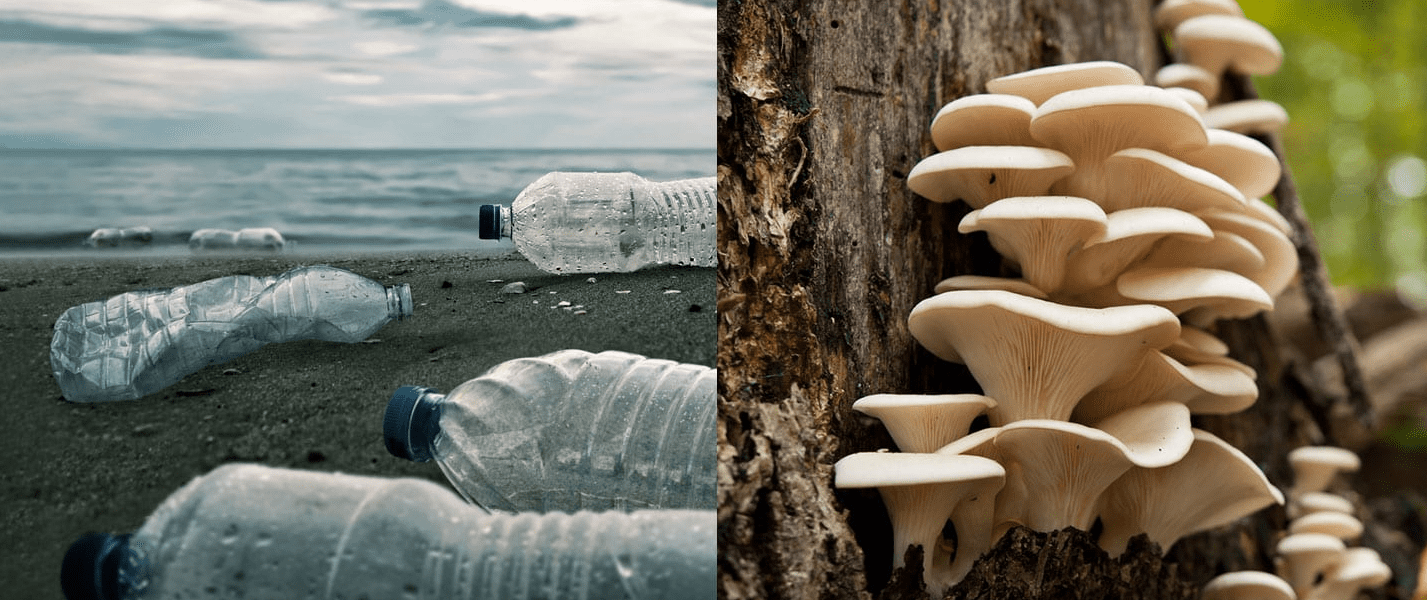

One thing you should know is that futurology researchers have discovered a marine plastic-eating fungus, Parengyodontium album. You should also know that Parengyodontium album can break down UV-exposed polyethylene in the ocean. This groundbreaking discovery suggests that other fungi in deeper waters may also contribute to the decomposition of plastic.
An interesting thing about this is the extensive and hard-hitting research that went into this study. The researchers from NIOZ collaborated with colleagues from five different institutions to make this discovery. And let’s not forget the crucial role of 13C isotopes in tracking the movement of carbon – it’s like a GPS tracker for plastic particles!
The thing that gets me about this is the excitement from lead author Annika Vaksmaa of NIOZ. Can you blame her? She gets to play with fungi all day and make observations like “the breakdown occurs at a rate of .05 percent per day.” Riveting stuff.
But let’s not overshadow the contribution of bacteria already known for degrading plastic before these fungi came along. They must be feeling pretty underappreciated right now.
But before we get too carried away with this superhero fungus, let’s not forget that humans produce over 400 billion kilograms of plastic every year. And brace yourselves – it might triple by 2060! Yet, our tax dollars continue to fund studies on deep-sea plastic degradation instead of finding solutions for pressing issues like world hunger and climate change.
Don’t forget: P.album’s abilities have a limited scope. It can only degrade surface-level plastic under UV-light exposure. So all those sinking plastics? Tough luck. And don’t worry about the CO2 released by these fungi, it’s just the same as our daily exhales. Crisis averted, right?
In conclusion, we have discovered a true superhero in the form of Parengyodontium album, the plastic-eating fungi breaking down a whopping 0.05% of polyethylene per day. Stay tuned for more futurology news that means you can toss your trash into the ocean without any guilt or remorse. Science will find another marine organism someday that might actually do something useful with it, right?
*Sarcasm-meter explodes*