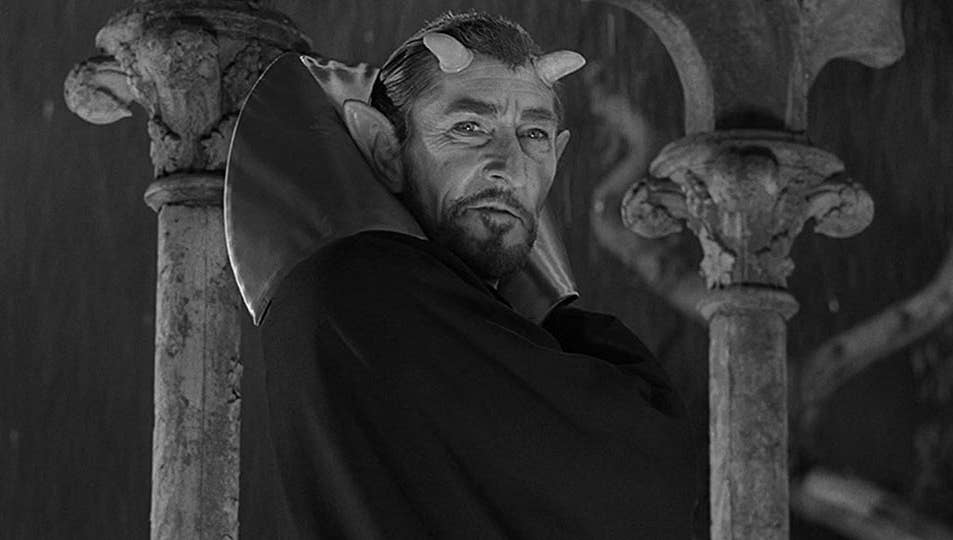

Buckle up, folks! In the mystical TV land of “The Twilight Zone,” Charles Beaumont didn’t just spin tales of terror from thin air. He infused his scripts with the very essence of his own nightmares—quite literally, fears of roller coasters and amusement parks. Yes, his debut episode, “Perchance to Dream,” might sound like someone’s bad night at Disney, but it’s actually a peek into Beaumont’s personal Pandora’s box of phobias.
So, when Rod Serling needed a break from being the one-man-band of existential dread, he tagged in Beaumont, who apparently thought, “What’s scarier than a carousel? Literally nothing.” Enter Beaumont’s debut episode, “Perchance to Dream,” which sounds more like a bad night at Disney World than a nightmare scenario.
Forget your standard ghouls and aliens; Beaumont’s horrors were more personal and grounded. He brought to the screen a man haunted by dreams of amusement parks, a plot drawn not just from a quirky fear but a deep-seated dread of roller coasters and funhouses, revealed by his buddy William F. Nolan.
But don’t be fooled into thinking Beaumont’s episodes were just quirky horror tales. These stories, rooted in personal fear, showcased a profound exploration of human anxieties and societal reflections, proving that even a carousel could carry the weight of existential philosophy. His episodes weren’t merely about giving viewers a fright; they were about tapping into deep, universal fears, challenging audiences to confront their own nightmares in the safe guise of speculative fiction.
In crafting “The Twilight Zone” scripts, Beaumont wasn’t just a puppeteer pulling strings to make things jump in the dark. He was a master craftsman, using his own fears and societal observations to weave stories that resonated on a personal and collective level. Each script was a journey not just through a fictional realm but through the complex landscape of human emotions and the eerie intersections of dreams and reality.
So, next time you tune in to “Perchance to Dream,” remember: you’re not just watching a man scared of dreaming about amusement parks. You’re witnessing a writer confronting his own fears, using the Twilight Zone as a canvas to explore and critique the human condition. It’s not just a walk in the park—it’s a deep dive into the psyche of one of television’s most insightful storytellers. And remember, in Beaumont’s Twilight Zone, the scariest rides might just be the ones that spin you through the human soul.