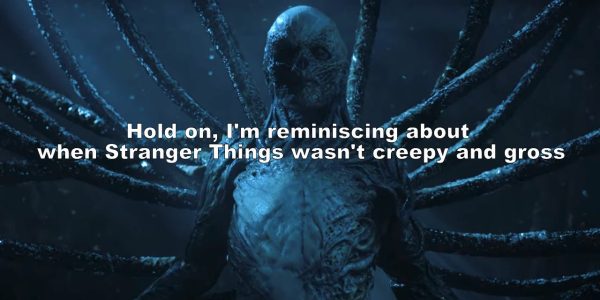
Respectna the Vecna or He’ll Break Your Neckna
Remember – pre-Vecna and other stuff – when you could get away with calling Stranger Things a scifi show? Pepperidge Farms remembers.

Bezos’ Botched Billionaire Space Splat
Blue Origin, founded by Jeff Bezos, is investigating an incident during its first crewed flight in which one parachute on the New Shepard capsule failed to fully inflate. The company had not publicly disclosed the issue, but briefed NASA officials. The rocket’s parachutes are designed to open in three stages, but one failed at the first stage during the mission. Blue Origin resumed its space tourism program after a previous launch failure in 2022. The company has not yet revealed the severity of the parachute problem or potential delays. Similar parachute issues have also been encountered by the Boeing Starliner program. The difficulty in accurately simulating parachute deployment remains a challenge for engineers.
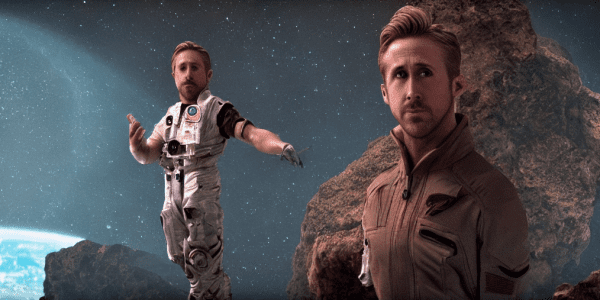
Ryan Gosling’s Project Hail Mary – Lightspeed or Black Hole?
Ryan Gosling’s Project Hail Mary – Lightspeed or Black Hole? Ryan Gosling’s Project Hail Mary, a sci-fi movie based on Andy Weir’s novel, has begun filming.

Futurology | Robots: Rule or Ruin?
So while we wait for our Jetsons-style future to become a reality, let’s just sit back and watch as these companies continue to parade their half-functioning R2-D2s and promise us a world where robots do everything for us.

Harlan Ellison’s Shangri-la: A Snarky Sci-Fi Window
Raise a glass, lads. Here’s to Harlan Ellison, a man who left a lasting impact on the world of scifi and also managed to be a complete and utter jerk at the same time. Cheers.
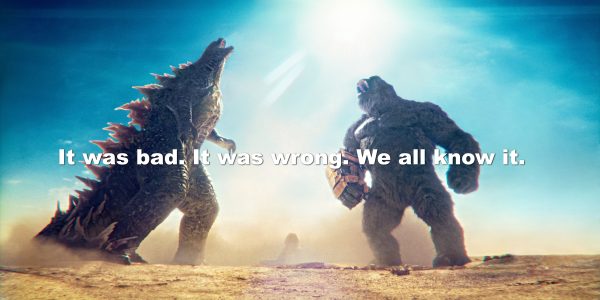
“King Kong vs Godzilla: When the MonsterVerse Lost its Bite”
The author argues that the MonsterVerse franchise has lost sight of the deeper themes and messages that made the original Godzilla film so impactful. Instead, it has become a series of mindless monster battles with little substance. The human characters have become secondary to the spectacle, and their emotional arcs and development are often overlooked. The article suggests that this focus on spectacle and action may be due to the demands of the modern blockbuster audience, but it has come at the cost of losing the heart and soul of the franchise.
The author also critiques the lack of diversity in the franchise, both in terms of the human characters and the monsters themselves. The majority of the human characters are white and male, with few notable exceptions. And while the franchise has introduced new monsters, they are often based on Western mythology and culture, neglecting the rich and diverse folklore and legends of other cultures.
Furthermore, the article points out the missed opportunity to explore the complex relationship between humans and monsters in a more nuanced way. In the original Godzilla film, the monster was portrayed as a tragic figure, a victim of human greed and destruction. However, in the MonsterVerse franchise, the monsters are simply seen as destructive forces to be defeated. This oversimplification ignores the potential for deeper exploration of the themes of humanity’s impact on the natural world and the consequences of our actions.
In conclusion, the author argues that the MonsterVerse franchise has strayed from its roots and has become a series of mindless monster battles, sacrificing meaningful themes and diverse perspectives. While the franchise continues to be successful at the box office, it has lost the depth and complexity that made the original Godzilla film a cultural phenomenon. The article calls for a return to the heart and soul of the franchise, with more diverse representation and a deeper exploration of the relationship between humans and monsters. and so much more
Stargate SG-1 Creator’s Secret Weapon: Plot Twist!
Additionally, Noriko’s character arc and her potential transformation into a monster could be explored in a sequel, making her a compelling and tragic antagonist. Ultimately, it is up to the filmmakers and the success of the first movie to determine if a sequel will be made. and so much more
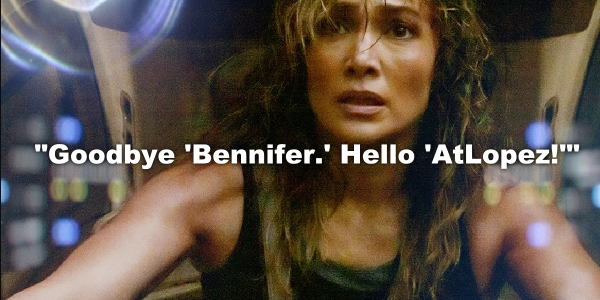
Don’t Blame! Netflix for Atlas’ Failure
The film follows the story of a lone wanderer named Killy in his search for a way to save humanity from the dangerous technology known as the “Safeguard.”
One of the most impressive aspects of Blame! is its world-building. The film takes place in a massive, ever-expanding city known as the “Megastructure,” where humanity has been reduced to a small population struggling to survive. The city is a maze of buildings and structures, with no discernible end, making for a constantly tense and claustrophobic atmosphere.
The city itself is also a character in its own right, with its own set of rules and dangers. The inhabitants of the city have developed their own unique societies and ways of survival, ranging from peaceful tribes to ruthless gangs. This adds depth and complexity to the world and makes it feel like a living, breathing place.
The animation in Blame! is stunning. The city is beautifully rendered with intricate details, making it feel both futuristic and ancient at the same time. The action sequences are fluid and well-choreographed, with a great use of lighting and sound effects to add to the intensity.
The film also touches on philosophical themes, such as the ethics of technology and the consequences of human greed and ambition. The Safeguard, a self-replicating defense system designed to protect the city, has turned on its creators and sees all humans as a threat. This raises questions about the dangers of creating powerful technology without considering the potential consequences.
The characters in Blame! are also well-developed and interesting. Killy, the protagonist, is a stoic and mysterious figure, but his determination to save humanity is unwavering. Other characters, such as the enigmatic Cibo and the fierce leader of a tribe named Zuru, provide a contrast to Killy’s personality and bring depth to the story.
While the film’s pacing may be slow for some viewers, it allows for a gradual exploration of the world and its inhabitants. The slow build also pays off in the tense and action-packed climax.
In conclusion, Blame! is a visually stunning and thought-provoking sci-fi anime that stands out in the genre. Its detailed world-building, philosophical themes, and complex characters make it a must-watch for fans of dystopian and cyberpunk stories. Despite its low rating, Blame! is a hidden gem that deserves more recognition. and so much more

Noriko and the Godzilla-Sized Scifi Blunder
Folks, let’s just take a moment to appreciate the absurdity of the latest Godzilla flick. I mean, we have a character surviving a direct hit from Godzilla’s atomic breath (because who needs consistency or logic in a kaiju movie?) and…
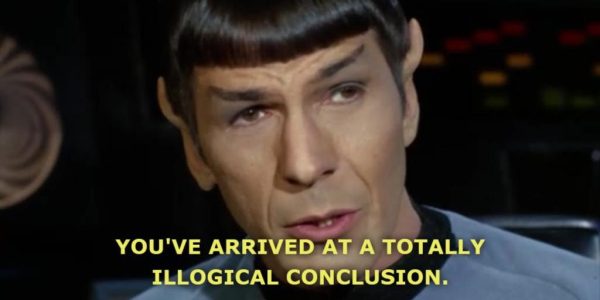
Spock’s Star Trek Homeworld: Not Logical
So, while Vulcan may not exist, the search for new worlds continues. and so much more